
Planning a new swimming pool is an exciting step, but before you get too far into designs and finishes, there’s a practical question that needs a clear answer. How close can your pool actually sit to your boundary line? It’s one of the first things that can impact your entire layout, especially if you’re working with a smaller backyard or trying to maximise usable space, and getting this right early on helps avoid delays and unexpected costs later.
The reality is that pool placement isn’t just about what fits physically, there are local regulations, safety considerations and site specific factors that all play a role. While it might seem straightforward at first glance, a bit of planning and research goes a long way. Once you understand the basics, it becomes much easier to design a pool area that feels open, functional and of course compliant.
Understanding Pool Boundary Setback Rules
The distance you can build your pool from the boundary line is controlled by local council regulations, often referred to as setback requirements. These rules are in place to ensure safety, maintain access, and protect neighbouring properties. A general guideline is to allow at least one metre between the pool structure and the boundary, although this can vary depending on your specific area and zoning.
It’s important to note that these measurements usually apply to the waterline or pool shell, not just the surrounding paving. Fencing requirements can also influence how close certain elements can be positioned. Because rules differ between regions and even between property types, it’s worth checking with your local council early in the process rather than relying on assumptions.
Knowing Exactly Where Your Boundary Lies
Before any construction begins, it’s essential to know exactly where your property boundaries are. It’s not uncommon for homeowners to rely on existing fences or visual markers, but these aren’t always accurate. Even small discrepancies can create problems when positioning a pool close to a boundary.
The most reliable way to confirm your boundaries is through your property’s title and survey plans, which provide exact measurements. In some cases, physical survey pegs may still be visible on site. If there’s any doubt, engaging a licensed surveyor is a worthwhile step, especially when planning a permanent structure like a pool.
From a builder’s perspective, having precise boundary information allows for accurate planning and avoids setbacks during construction. It also helps ensure that other elements like fencing, drainage and landscaping are positioned correctly from the start.
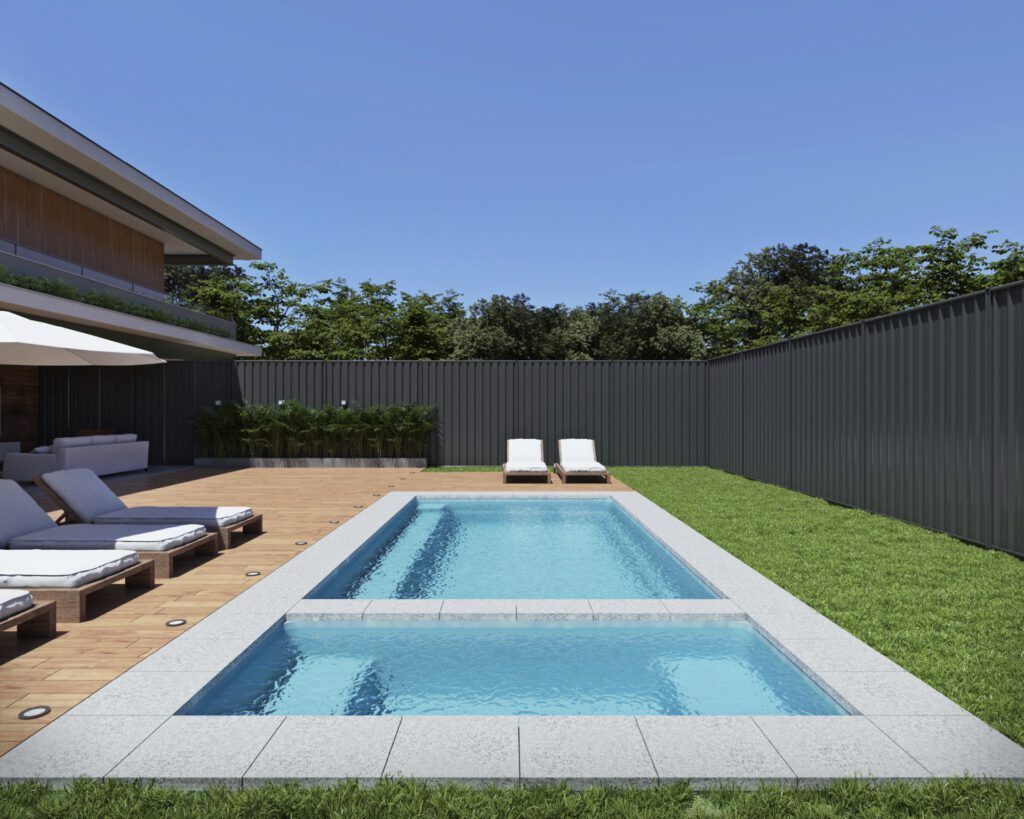
Designing a Pool Layout That Works With Your Space
Once the boundaries and setback requirements are clear, the focus shifts to designing a layout that makes the most of the available space. A well designed pool should feel like a natural extension of your outdoor area, not something squeezed in as an afterthought.
Experienced pool builders will look at how the pool will connect with the home, particularly from living areas where visibility and access matter. Positioning the pool in a spot that captures sunlight can improve comfort and usability, while also helping maintain water temperature.
It’s equally important to consider practical constraints such as underground services, existing structures, and nearby trees. These factors can influence both construction and long-term maintenance. With the right planning, even compact spaces can be transformed into functional and inviting pool areas that work well for everyday use.
Safety, Privacy and Long Term Planning
Pool placement also needs to account for safety regulations, particularly when it comes to fencing and controlled access. These requirements are non-negotiable and must be integrated into the design from the beginning, and professional builders factor these elements in early to ensure compliance without compromising the overall layout.
Privacy is another important consideration, especially when building close to a boundary. Thoughtful placement, combined with landscaping or screening, can help create a more comfortable environment for both you and your neighbours.
Looking ahead is just as important as focusing on the present because a pool should fit into your broader outdoor space, allowing room for entertaining areas, pathways and any future upgrades. Taking a long term view during the design stage helps create a space that continues to work well over time.
Of course, working with an experienced pool builder ensures all these factors are considered from the outset, helping you avoid costly changes and achieve the best possible result for your space.